


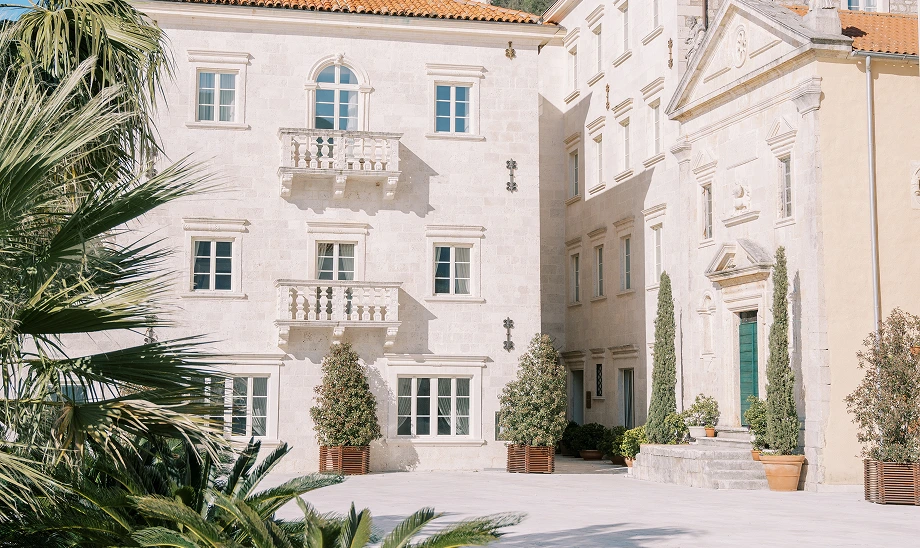
The dream is simple: a villa on the Adriatic, somewhere between the pine trees and the sea. But between that dream and breaking ground lies a process that catches many foreign investors off guard.
Croatia welcomes international buyers, but building here requires navigating permits, zoning laws, heritage protections, and bureaucratic timelines that work differently than what you may be used to at home.
At Atrij, we’ve guided dozens of international clients through this process. Here’s what you need to know before you buy land or start planning your project.
Can Foreigners Buy Property in Croatia?
Yes, with conditions.
EU citizens can purchase property in Croatia just like locals. Non-EU citizens can also buy, but the process requires reciprocity approval from the Ministry of Justice, which checks whether Croatian citizens can buy property in your home country. This adds time, typically 2–6 months, but approval is granted in most cases.
Alternatively, many non-EU buyers establish a Croatian company to purchase property, which simplifies the process and offers tax planning flexibility. We recommend consulting a local lawyer to determine the best approach for your situation.
Understanding Zoning and Land Use
Not all land is buildable. Croatia’s spatial planning system divides land into zones — residential, agricultural, protected, coastal buffer — each with specific rules about what can be constructed.
Before purchasing a plot, verify its status in the local spatial plan (prostorni plan). Key questions:
- Is the land designated for construction (građevinsko područje)?
- What’s the maximum permitted building footprint and height?
- Are there setback requirements from roads, boundaries, or the sea?
- Is the plot within a protected area (nature reserve, heritage zone, coastal setback)?
We always review spatial plans before clients commit to a purchase. Discovering restrictions after you’ve bought is an expensive mistake.
Coastal Setback Rules
Building near the sea comes with specific restrictions. Croatian law establishes a protected coastal zone (zaštićeni obalni pojas) extending 1,000 metres from the shoreline, with stricter rules within 70 metres of the water.
Within this zone, new construction is limited, building heights are restricted, and development must align with local spatial plans. The intent is preserving the coastline — which, ultimately, is why you want to build here in the first place.
These rules vary by municipality. Some areas allow villa construction relatively close to the sea; others are far more restrictive. Local knowledge matters.
The Permit Process: What to Expect
Building permits in Croatia follow a defined sequence:
1. Location Permit (Lokacijska dozvola) Required for larger or more complex projects. Confirms the project complies with spatial plans and sets basic parameters.
2. Building Permit (Građevinska dozvola) The main approval authorising construction. Requires complete project documentation — architectural drawings, structural engineering, utility connections, fire safety compliance, and more.
3. Usage Permit (Uporabna dozvola) Issued after construction is complete and inspected. Required before the property can be legally occupied or sold.
Timeline reality: Permits typically take 3–6 months, sometimes longer for complex sites or heritage areas. Factor this into your planning — you won’t break ground the month after buying land.
Heritage and Protected Areas
Dalmatia is rich with history, which means many areas fall under cultural or natural heritage protection. If your plot is within a protected zone — or if you’re renovating a traditional stone house — additional approvals are required.
The Conservation Department (Konzervatorski odjel) must review and approve designs affecting heritage properties or protected landscapes. This can influence everything from exterior materials to window proportions to building placement.
Heritage review adds time but isn’t necessarily an obstacle. We work within these constraints regularly and can design projects that satisfy conservation requirements while meeting your goals.
Utility Connections
Don’t assume utilities are available. Before purchasing, confirm:
- Water and sewerage: Is municipal connection available, or will you need a well and septic system?
- Electricity: How far is the nearest connection point? Who pays for extension?
- Road access: Is the plot accessible via public road, or do you need an easement across neighbouring land?
Utility connections can add significant cost and time if not anticipated. We assess infrastructure availability as part of our site feasibility review.
Taxes and Fees
Budget for the following:
- Property transfer tax: 3% of the purchase price (no VAT on land or existing buildings in most cases)
- Notary and legal fees: Typically 1–2% combined
- Permit fees: Variable based on project size
- Utility connection fees: Can range from minimal to substantial depending on location
Your lawyer and accountant can provide precise figures based on your specific situation.
Working Remotely With a Croatian Architect
You don’t need to be in Croatia to build here — but you do need the right local team.
As your architect, we manage the entire process: site evaluation, design, permit applications, contractor selection, and construction oversight. We communicate in English, provide regular updates, and document progress so you’re informed without needing to be on-site for every decision.
Many of our international clients visit only a few times during the project — for initial consultation, key design approvals, and final handover. Everything else happens through calls, video meetings, and shared documentation.
Start With the Right Information
Building on the Croatian coast is absolutely achievable for foreign investors — but success depends on understanding the process before you commit.
If you’re considering a project, we offer pre-purchase consultations to evaluate plots, explain regulations, and give you a realistic picture of what’s involved. An hour of conversation now can save months of frustration later.