


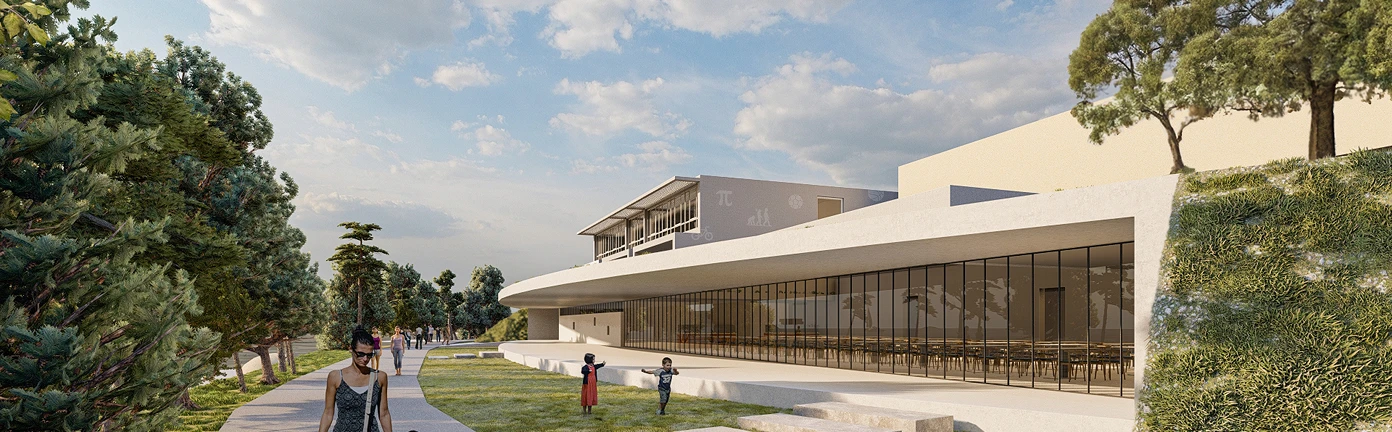
A school is not an office. It’s not a warehouse for children. And it’s not a miniature version of an adult institution.
Children learn differently. They move. They explore. They need spaces that support curiosity, not suppress it. Yet for decades, school design followed a formula — long corridors, identical classrooms, rigid layouts – that had more to do with efficiency than education.
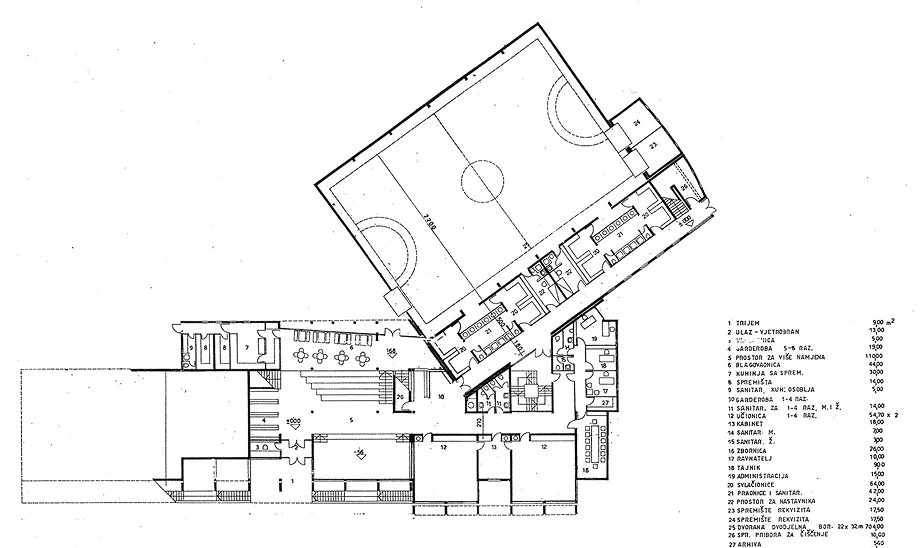
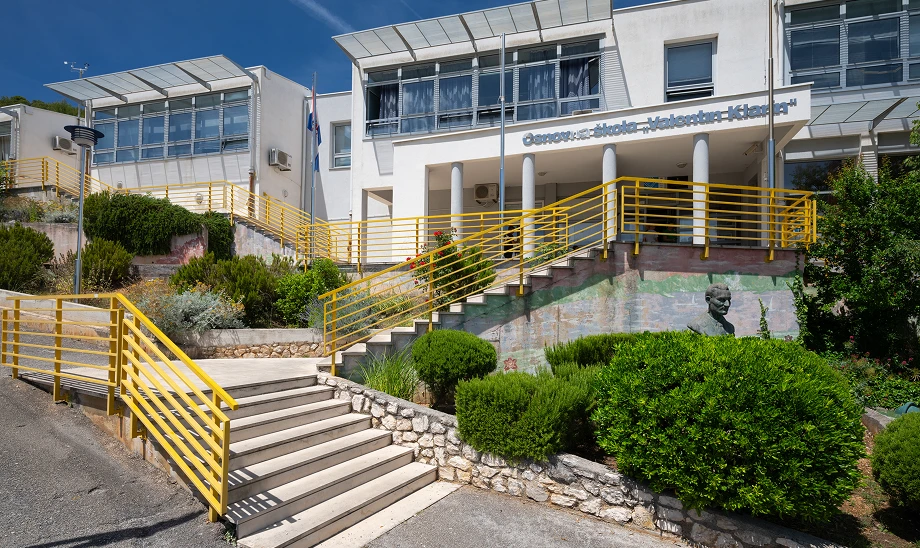
At Atrij, we’ve had the privilege of designing educational spaces that challenge this formula. Projects like Valentin Klarin Elementary School in Preko and kindergartens like Ciciban and Grigor Vitez taught us what happens when architecture truly serves learning.
Here’s how we approach school design – and why it matters.
Learning Doesn’t Only Happen in Classrooms
The traditional model assumes learning happens in one place: a rectangular room with desks facing forward. But children learn everywhere — in hallways, outdoor spaces, quiet corners, and collaborative zones.
We design schools with this in mind. Wide corridors become informal gathering spaces. Nooks and alcoves offer places for small groups or individual focus. Outdoor areas are treated as extensions of the classroom, not just places for break time.
When the entire building supports learning, education isn’t confined to scheduled hours in designated rooms.
Natural Light Changes Everything
Research consistently shows that natural light improves concentration, mood, and academic performance. Yet many schools still rely heavily on artificial lighting, with small windows and deep floor plans that leave interior spaces dim.
We prioritise daylight in every educational project. Large windows, skylights, and carefully oriented buildings ensure that classrooms are filled with natural light throughout the day. It’s not decoration, it’s fundamental to how children feel and function in a space.
Scale Matters – Especially for Young Children
A five-year-old experiences space differently than an adult. Ceilings that feel normal to us can feel overwhelming to a child. Furniture designed for efficiency rather than small bodies creates discomfort. Vast open spaces can feel intimidating rather than freeing.
In kindergarten design especially, we pay close attention to scale. Lower ceilings in certain areas. Child-height windows. Furniture and fixtures proportioned to small users. Spaces that feel safe and navigable, not institutional.
When children feel comfortable in their environment, they’re free to focus on learning and play.
Flexibility Over Rigidity
Education evolves. Teaching methods change. A school designed today should accommodate approaches that don’t exist yet.
We build flexibility into our designs; movable partitions, multi-purpose rooms, furniture that can be reconfigured. A space that works for traditional instruction in the morning can transform for group projects in the afternoon. Rooms can adapt as pedagogy shifts over the building’s lifespan.
Rigid buildings create rigid education. Flexible buildings give teachers freedom.
Colour and Texture Are Tools, Not Afterthoughts
Children respond to their sensory environment. Colour can energise or calm. Texture can invite touch and exploration. Materials can feel warm and welcoming or cold and institutional.
We use colour intentionally, not the chaotic rainbow approach that overwhelms, but consider palettes that define different zones, aid wayfinding, and create emotional variety throughout the building.
Natural materials like wood bring warmth. Varied textures encourage sensory engagement. The goal is an environment that feels alive, not sterile.
Outdoor Space Is Educational Space
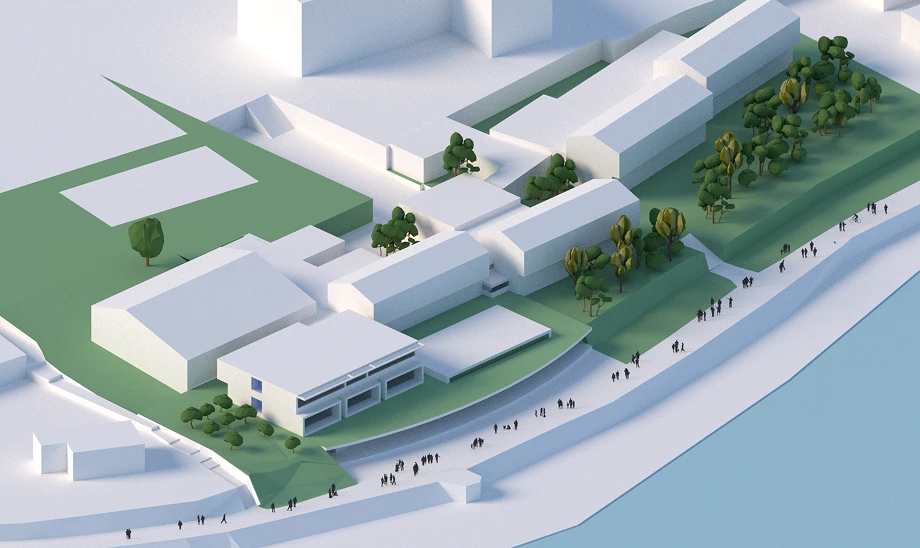
In Mediterranean climates like Croatia’s, outdoor learning should be standard, not exceptional. Courtyards, covered outdoor classrooms, gardens, and play areas designed for exploration all extend the educational environment beyond four walls.
At Ciciban Kindergarten, outdoor spaces are integral to the design — not leftover land around the building, but purposeful environments for movement, nature connection, and unstructured play. These experiences are as valuable as anything that happens inside.
Safety Without Fortress Mentality
Schools must be safe. But safety shouldn’t mean buildings that feel like prisons; windowless walls, fortress-like entries, surveillance-heavy environments.
We design for security through thoughtful layout: clear sightlines, controlled entry points, and separation between public and private zones. The result is buildings that protect children without making them feel watched or enclosed.
Safety and warmth can coexist. It’s a matter of design intelligence.
Buildings That Believe in Children
Every design decision sends a message. A school with tiny windows and fluorescent lighting says one thing. A school filled with light, colour, and spaces for exploration says something very different.
We believe school buildings should communicate respect for children; their energy, their curiosity, their need for both stimulation and calm. When architecture believes in children, it creates environments where they can thrive.
If you’re planning an educational facility in Croatia, whether a small kindergarten or a larger school, we’d welcome the conversation.