


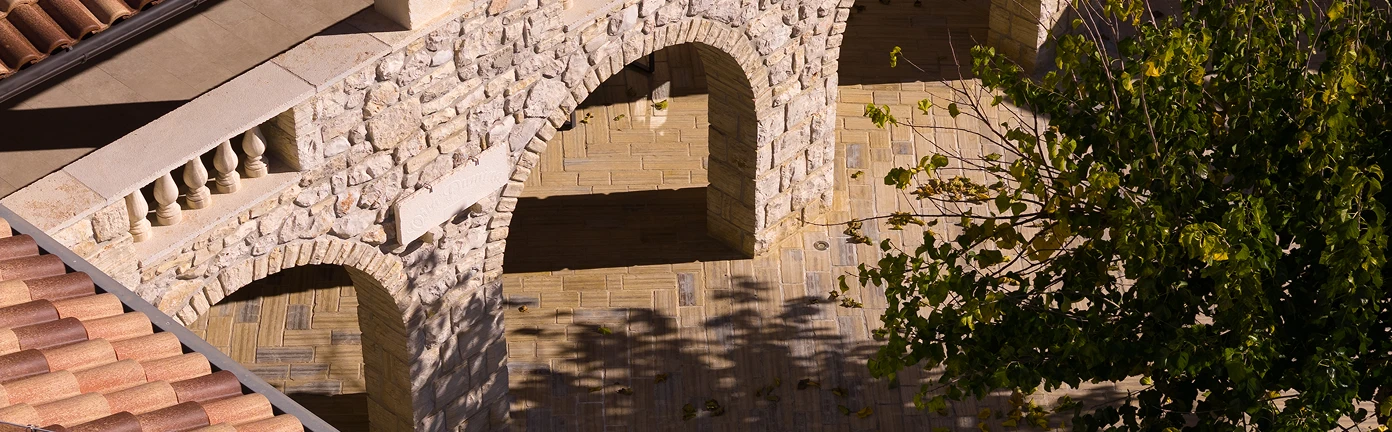
There’s something magnetic about an old Dalmatian stone house. Thick walls that have stood for generations. Small windows that once kept out summer heat and winter winds. A simplicity that feels honest in a way modern buildings rarely achieve.
It’s no surprise that more people, both locals and international buyers, are looking to restore these properties rather than build new. But renovating a stone house in Croatia isn’t a weekend project. It requires patience, the right expertise, and a clear understanding of what you’re getting into.
At Atrij, we’ve guided dozens of stone house renovations along the Dalmatian coast. Here’s what you should know before you start.
Understand What You’re Buying
Not all stone houses are equal. Some have solid bones and need cosmetic updates. Others have structural issues, water damage, or decades of neglected maintenance hidden behind charming facades.
Before you commit, invest in a proper assessment. We can evaluate the condition of walls, roof structure, foundations, and drainage, and give you an honest picture of what renovation will actually involve. This step alone can save you from costly surprises later.
Heritage Protection May Apply
Many traditional stone houses fall under cultural heritage protection, especially in historic village centres and coastal areas. This isn’t necessarily a problem — but it does affect what you can and cannot do.
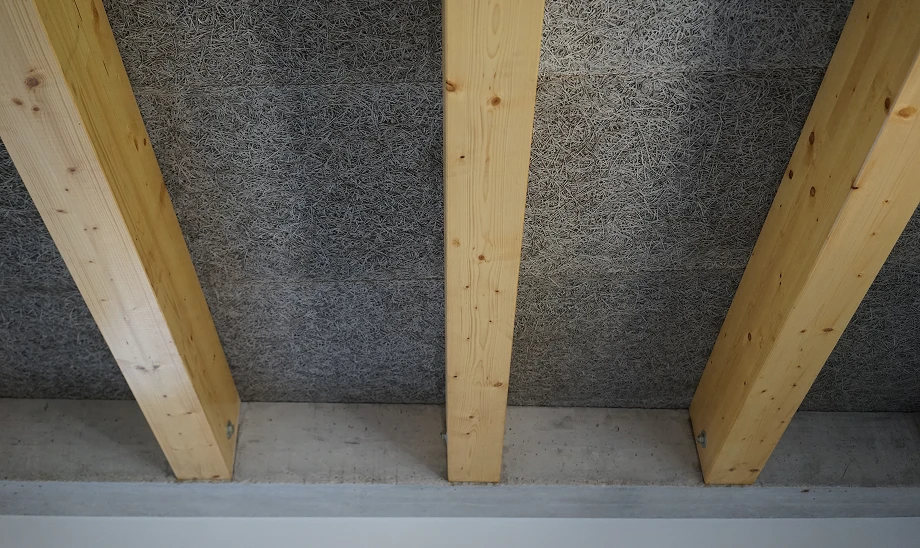
Protected status may limit changes to exterior appearance, roof materials, window proportions, or building height. In some cases, you’ll need approval from conservation authorities before any work begins.
We handle these conversations regularly and can advise early on whether your property has restrictions — and how to design within them without compromising your vision.
Permits Take Time
Croatia’s building permit process requires patience. For renovations, you’ll typically need project documentation, structural assessments, and various approvals depending on scope and location.
Timelines vary. A straightforward interior renovation might move relatively quickly. A full structural restoration with heritage involvement can take six months or longer just for permits.
Our advice: start the paperwork early, and don’t set a move-in date until permits are secured.
Old Walls Have Their Own Logic
Stone construction follows different rules than modern building. Walls are thick and load-bearing. Window and door openings were sized for a reason. Floors and roofs were built with materials and methods specific to their era.
A good renovation respects this logic while adapting the house for contemporary living. That might mean opening up interior spaces carefully, adding modern insulation without trapping moisture, or integrating new electrical and plumbing systems invisibly.
This is where experience matters. Architects and builders who understand traditional construction will make decisions that protect the building’s integrity — and your investment.
Budget for the Unexpected
Renovation budgets should include a contingency — typically 15–20% — for surprises. Once walls are opened and floors are lifted, you may discover issues that weren’t visible during initial assessment: damaged structural timbers, inadequate foundations, outdated wiring.
These aren’t failures of planning. They’re the reality of working with old buildings. A realistic budget accounts for them from the start.
Modern Comfort Is Absolutely Possible
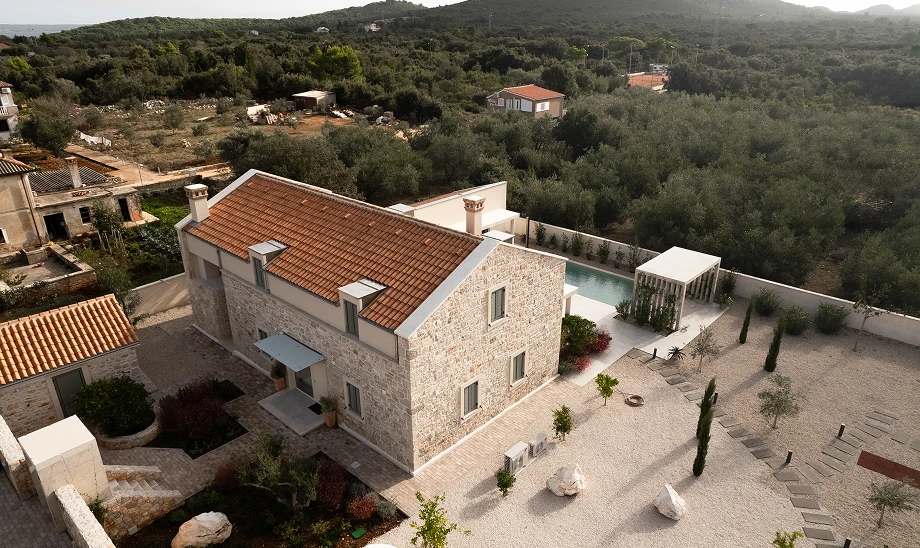
Restoring a stone house doesn’t mean living without comfort. Underfloor heating, modern bathrooms, fully equipped kitchens, high-speed internet — all of this can be integrated thoughtfully without destroying the character that made you fall in love with the property.
The key is sensitive design. Keeping original stone walls exposed while adding contemporary elements. Using natural materials that age well alongside the old. Creating contrast that feels intentional, not jarring.
The Right Team Makes Everything Easier
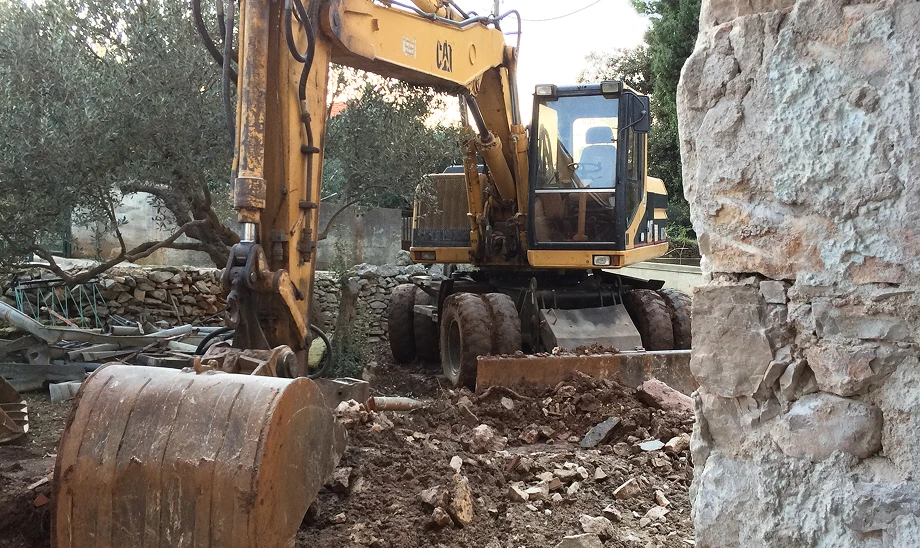
Stone house renovation requires coordination between architects, structural engineers, heritage consultants, and skilled craftsmen — particularly masons who understand traditional techniques.
Assembling this team yourself, especially as a foreign buyer, can be overwhelming. Working with an architecture office experienced in restoration means you have one point of contact managing the entire process: design, permits, construction oversight, and problem-solving.
Is It Worth It?
Renovating a stone house takes more time and often more money than buyers initially expect. But the result — a home with centuries of history, thick walls that stay cool in summer, and a connection to Dalmatian tradition that new construction can’t replicate — is unlike anything else.
If you’re considering a stone house project on the Croatian coast, we’d be happy to discuss what’s involved. Whether you’ve already purchased or are still searching, an early conversation can help you plan realistically.
[Contact us →]